|
0 Comments
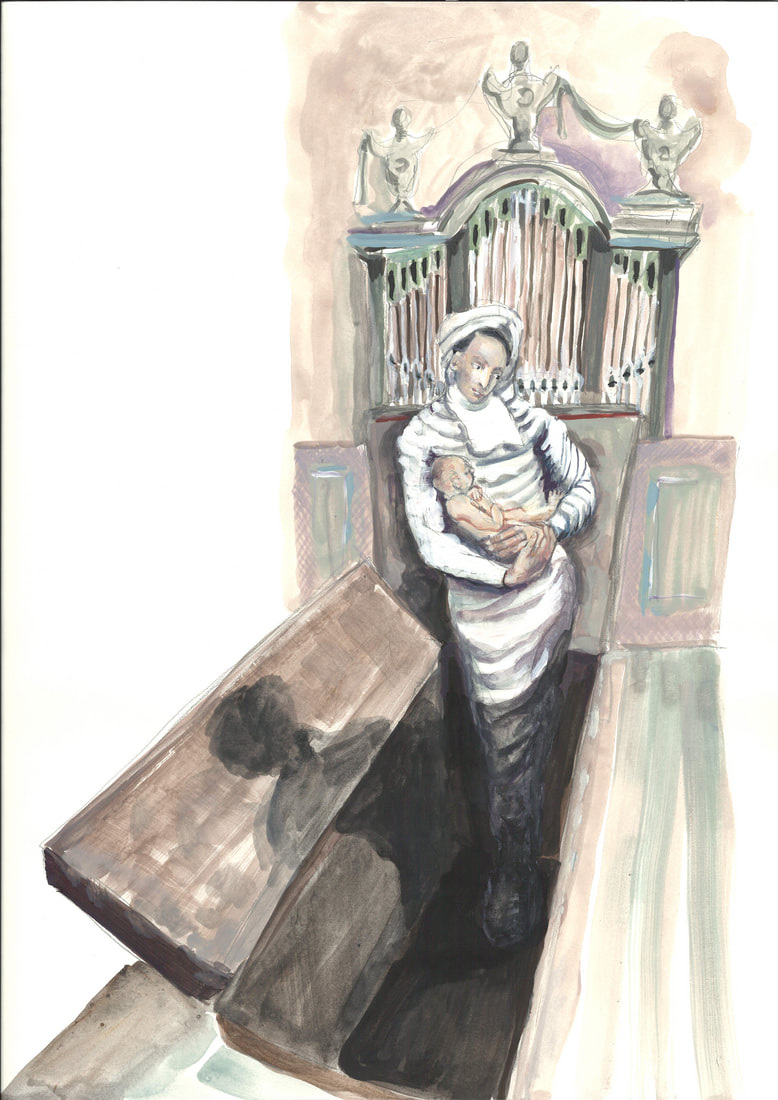 A childhood dream that occurred soon after Nietzsche's father had died. Nietzsche was five years old.
‘I heard organ music in the church, like at the funeral. When I looked for what was causing it, a grave suddenly rose and my father in his winding-sheet emerged from it. He hurried into the church and soon returned with a tiny child in his arms. The grave opened, he climbed inside and the slab closed over the opening. All at once the roaring sound of the organs stopped and I awoke. — On the day after this night, little Joseph suddenly got sick, had convulsions and in a few hours, died. Our grief was enormous. My dream had been completely fulfilled. The tiny corpse was also laid in his father's arms. — God in heaven was our sole consolation and refuge from this double misfortune. This happened at the end of January 1850.’ (Nietzsche, F. (1858/2012). From My Life — The Years of My Youth, p.5. Translated and published by The Nietzsche Channel.) The painting will be included in our book Drawn To Nietzsche, which we are now writing. For further details of the dream and of Nietzsche's ideas about dreaming, see the page for science posts. We have just received this beautiful book on surrealism and dreams, by the Staatliche Kunstsammlungen Dresden, Archiv der Avantgarden, Egidio Marzona, and the authors, artists and photographers. It starts with the Bureau of Surrealist Research in 1920s Paris. It is very informative, with several essays, and is lavishly illustrated with historical artefacts. It includes dreams published by various surrealists. 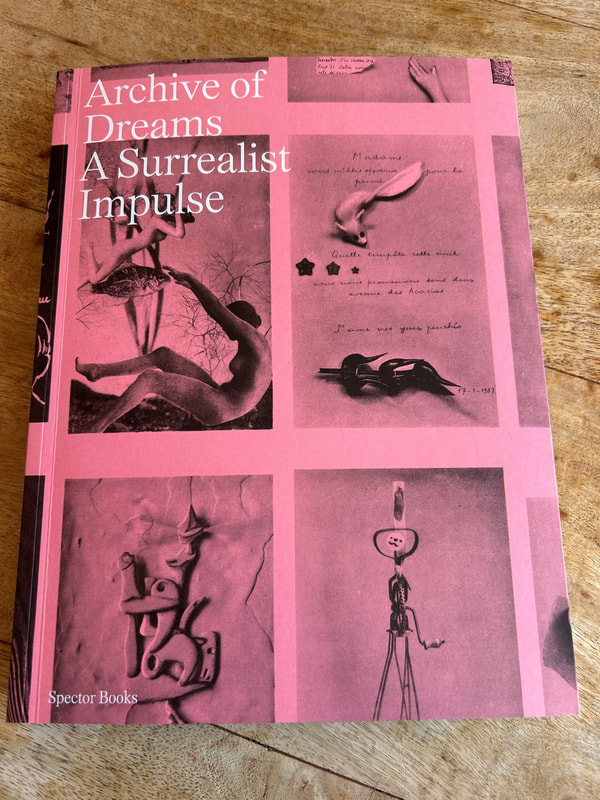 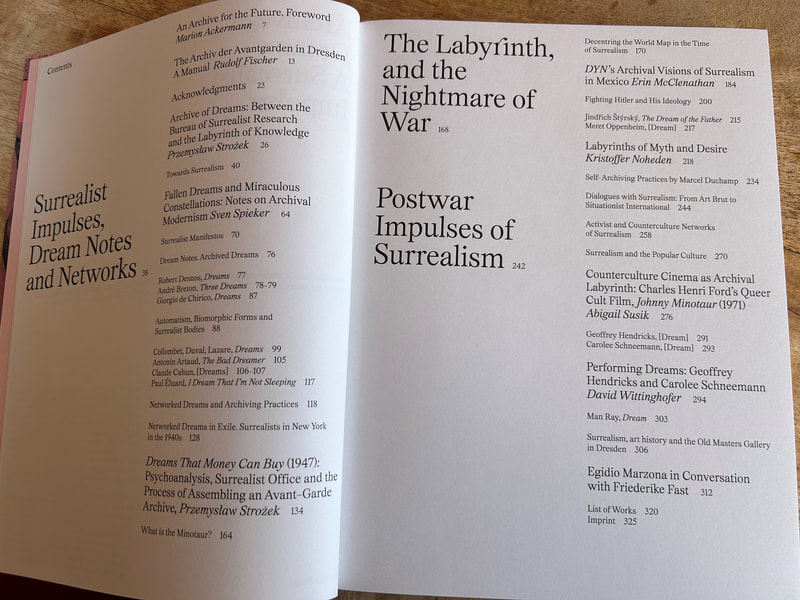 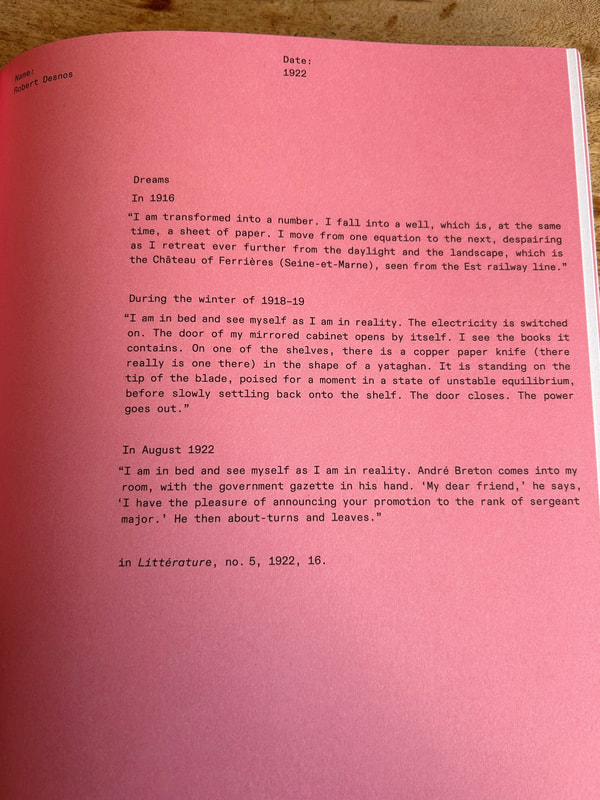 One dream is from surrealist poet Paul Eluard, who was a close friend of Picasso. It includes a dream-within-a-dream and a false-awakening. ‘N’ is probably his wife, Nusch. 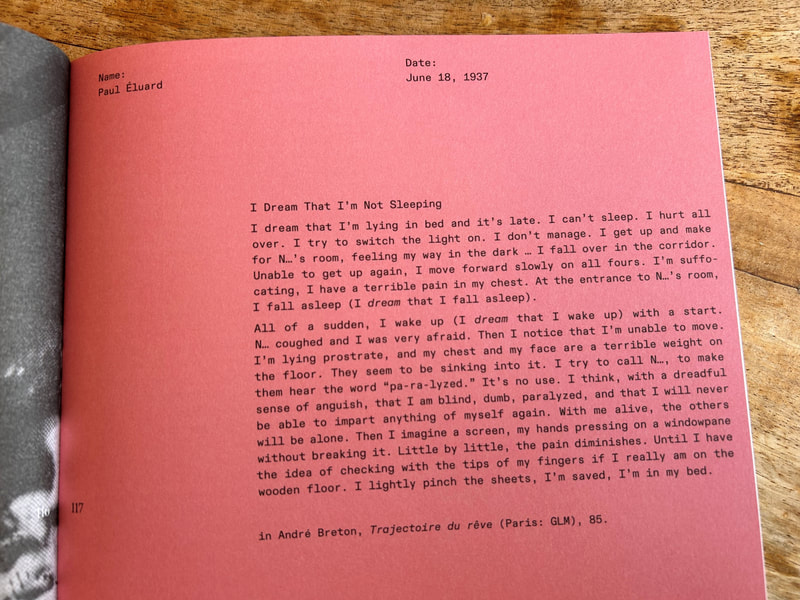 The dream of Paul Eluard had been published in French in André Breton’s limited edition (1938) book Trajectoire du Rêve. On the next page in that book Eluard explains that in waking life he had been having feelings of physical weakness, anxiety, isolation and abandonment. 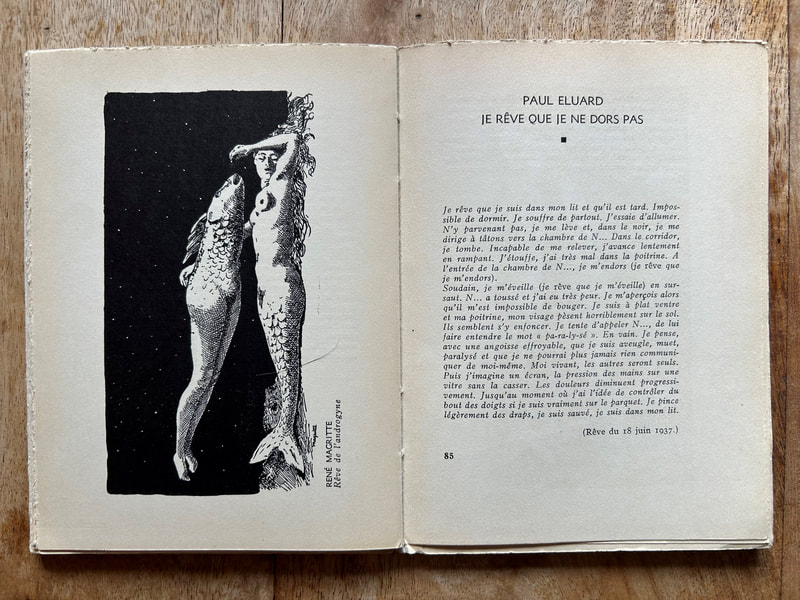 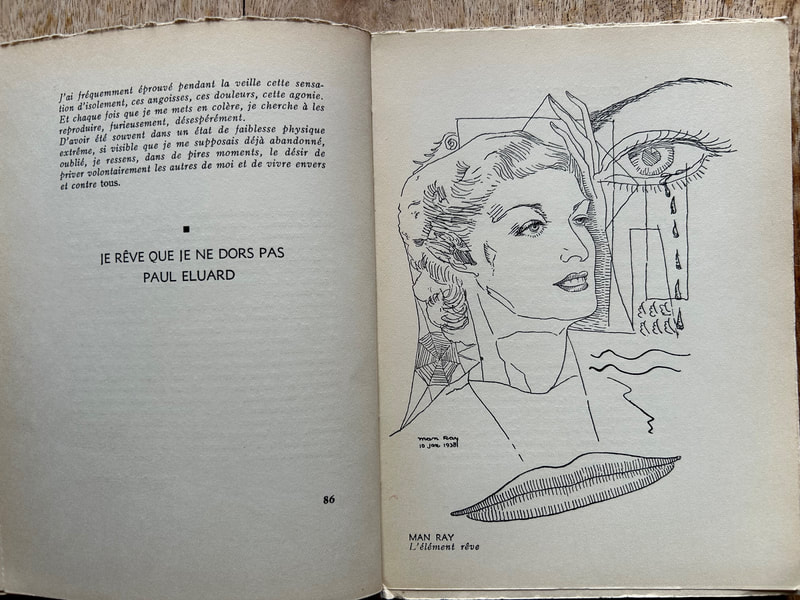 The translation of his description of his waking life is: 'I frequently experienced during the day this feeling of isolation, these anxieties, these pains, this agony. And every time I get angry, I try to reproduce them, furiously, desperately. To have often been in a state of physical weakness. Extreme, so visible that I was supposed to be abandoned. I feel forgotten, in worse moments, the desire to voluntarily deprive others of me and to live against and against all.' 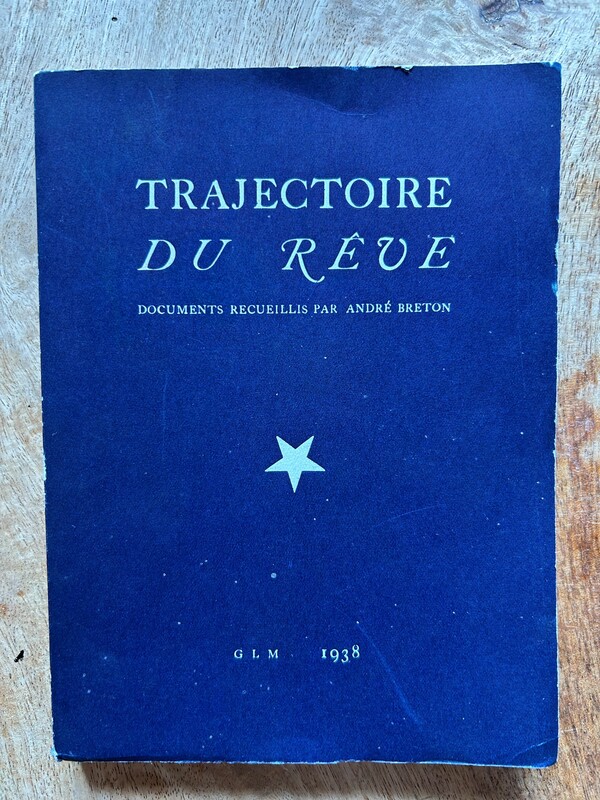 The physiological explanation for dreams-within-dreams and for false-awakenings is that the sleeping cortex is active enough to know one has just been dreaming, even though one continues to dream. The Freudian explanation is that dreaming of waking up can itself be interpreted. Eluard had been in poor health and had been feeling isolated and abandoned. He dreams of being immobile, and then dreams of waking up and that he is still immobile. His immobility is emphasised by the false-awakening, as if it’s saying ‘look, you’ve woken up and you are still paralysed!’ That false-awakening can be explained by physiology or by psychoanalytic meaning.
Our 20-minute video of a walk-through and description of the exhibition Le temps d’un rêve / In the Space of a Dream is now on our YouTube channel. The film was made with Perrine Ruby of the Lyon Neuroscience Research Center. The exhibition is at Musée des Confluences, Lyon, and runs from 18th October 2024 to 24th August 2025.
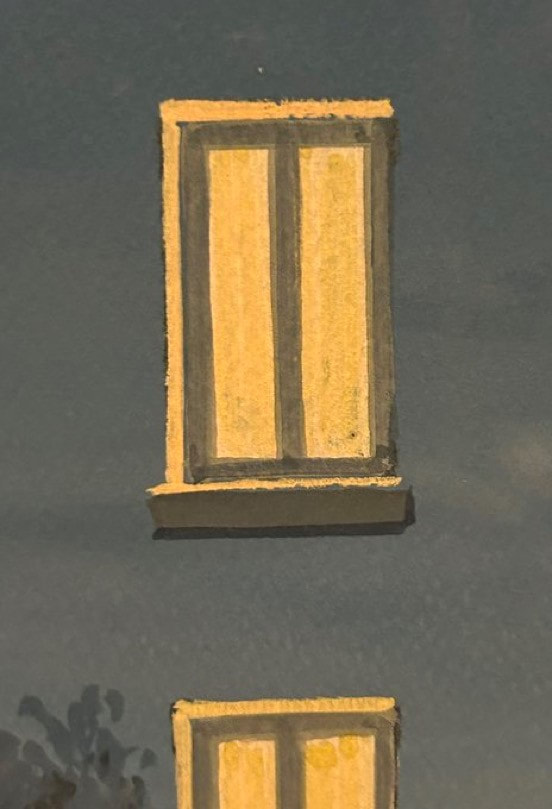
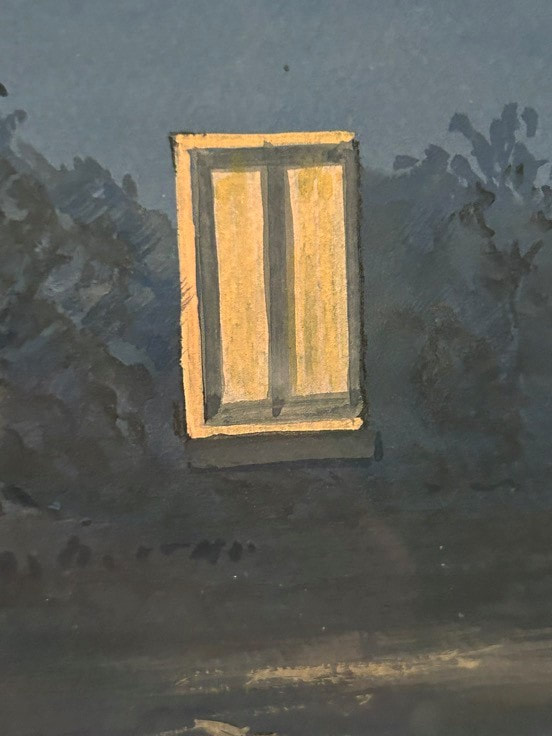
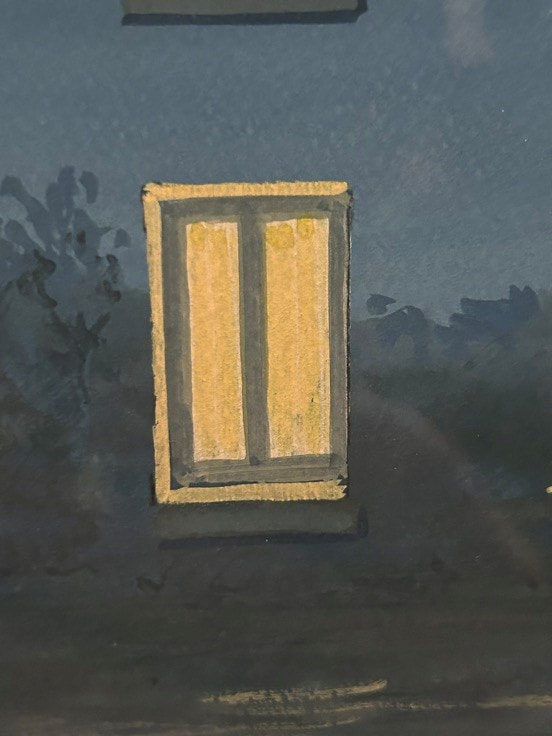
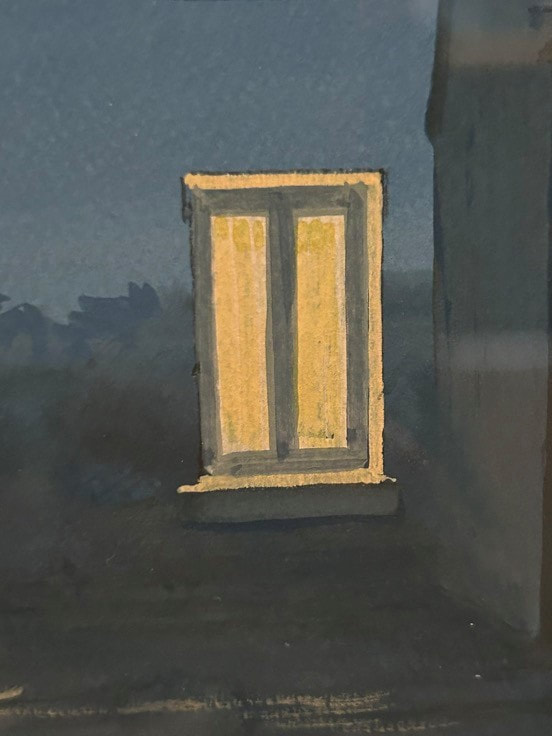
https://youtu.be/tjSJuUgezD8?si=itAxYSmnCBRPbc8s The video was presented at the 42th annual conference of the International Association for the Study of Dreams, June 2025. Four of Julia Lockheart's artworks, painted at our Dream Salons, are exhibited as part of the massive Träume ... Träumen / Dreaming ... Dreams exhibition www.schallaburg.at/en/2025-traeume. The castle and museum is an hour by car or train from Vienna.    The exhibition catalogue below has an interview with Julia. The text is in German, English translation is underneath.     English translation of interview. 1. What happens at your so called “dream salons”? How did they come about? Our dream salons are public events during which a participant’s dream is told, discussed and painted in around 90 minutes. The artworks I make are completed in this time and so are the physical outcomes of a happening, a multisensory event in which the dream is returned to visual form. We use the term “dream salon” so as to acknowledge the dream séances held by the Surrealists in the early 1920s, and as seen in Man Ray’s (1924) photograph Waking Dream Séance. Salon also refers to an informal and playful cultural and artistic gathering. Our process is very structured. I sit behind a table on which I paint and next to me is a projector which displays to the audience on a large screen the drawing process as it happens. Mark Blagrove sits in front of me and with the dream sharer. It is important that the dream sharer does not see the dream being painted as the images and colours used may affect the recollection of the narrative as it is told. Watching the emergent painting bonds the group and focusses attention on the dream. The discussion process uses a six-stage technique devised by psychoanalyst Montague Ullman, and which aims to find metaphorical links between the dream and the dreamer’s recent waking life. When the dream is first told I start to look for pages in Freud’s (1900) book Traumdeutung, on which to paint the dream. I choose pages based on the shape of paragraphs, footnotes and indentations, so as to match features of the dream, such as number of scenes, or specific objects in the dream. Although this is done quickly, without regard to words on the page, during the salon I spot words written by Freud on the page which are relevant to the dream or discussion, and I incorporate them as objets trouvés into the artwork. When the discussion concludes and I have finished my artwork I reveal it to the dreamer, describe its composition, including how and why I chose those particular pages, and point out the incorporated objets trouvés. When the dreamer sees the artwork it often inspires additional insights about the dream and waking life. The whole salon then discusses the painting. Afterwards I digitally scan the painting and it is enlarged and giclée printed and the text of the dream is placed under the print as the final framed artwork. This is gifted to the dreamer, so that the dreamer can revisit the dream and discussion with family and friends. We term our project DreamsID (Dreams Interpreted and Drawn; Dreams Illustrated and Discussed). The archive of the artworks can be seen at DreamsID.com, and many artworks, and a description of the history of the project and its relationship to surrealism can be seen in Blagrove, M. & Lockheart, J. (2023). The science and art of dreaming. Routledge. 2. How does your project connect to the history of recording dreams via art? The project returns each dream told in the salons to visual form, and hence shows the great value that I, the dreamer and the salon members place on the dream. This connects to the high value that surrealism placed on dreams, in terms of dreaming being a valued, non-rational, creative process, and in terms of the valuing of individual dreams. Surrealism highlighted the automatist and chance processes that could be seen in dreams, and also published the dreams of leading surrealists in their publication La Révolution surréaliste. Our project also connects to the Jungian practice of analysands painting their own dreams, a practice that Jung encouraged, and which resulted in the large collection of patients’ dream paintings at the CG Jung Institute in Zurich. 3. Why did you choose to paint on Freud’s “Traumdeutung”? I chose Freud’s book initially so as to honour Freud’s work on interpreting dreams and also on devising the free association method, in which the dreamer without censorship says what comes to mind when they consider each component of the dream separately. This method was used by Freud, and is used now by researchers in sleep laboratories, to find the memory sources that led to the dream being created. I knew of the method of painting onto a book, producing a palimpsest, through the work of Tom Phillips, and his altered book A Humument. I also chose the book because each page is so different. Some have footnotes, some have indented paragraphs, some have bullet pointed or numbered items, there are diagrams, and the pages have different numbers of paragraphs, and different paragraph sizes. This means I can find a page or two pages that are very appropriate to the structure of the dream. I had tried using another book, Mary Shelley’s Frankenstein, for a salon we had on nightmares, but the pages were too uniform, this is true also for Jung’s books. The Traumdeutung is also a rich source of words to highlight and incorporate into the artworks; some words are related to dreaming but many are related to emotional and family life and relationships. 4. The drawings exhibited at the Schallaburg focus on dreaming during Covid19 - which insights could you gain through those on the impact of the pandemic on dreaming? Many of the dreams we heard referred to stressful aspects of life during Covid. A nurse trying to warn partygoers about a threat from diseased nature; a doctor in tears at her attempts to find a cure for Covid; a person avoiding crowds but then glad to be dancing with others; a young man afraid to be discovered at a different house during Lockdown. But there were images also of hope, and the beauty and resilience of nature. The main insight is appreciating the very creative way in which people during sleep produce visual metaphors of their waking life emotions and circumstances. I detail this in “Painting and Socializing COVID-19 Dreams.” International Journal of Surrealism 1 no.2 (2024): 87-108. 5. What kind of research did you carry out connected to the dream salons and what were your findings? The first research was connected to our initial reasons for having the slons, we wanted people to understand the connection between their dreams and their waking life, for them to appreciate the dreams they had made during the night, and to obtain some personal insight about their lives from considering their dreams. Mark had published science papers on this, using measurements of personal insight that are taken from research in clinical and counselling psychology. Although our aim was to enable dream sharers to explore their own dreams, assisted by questions and comments from the other salon members, and to further explore the dream through displaying the artwork, one salon changed this. We heard and discussed a dream of a middle-aged woman, in which her young adult daughter is going to leave home and move into a new home. The dream was so poignant that it affected us greatly. As a result, we hypothesised that an effect or even function of dreaming could occur at the time they are shared with others, because they increase empathy towards the dreamer, by helping the dreamer to disclose themselves to others. We then conducted experiments in which levels of empathy of a dream-sharer and dream-discusser towards each other were assessed, followed by the dream-sharers’ dreams being discussed, and the empathy assessments then being made again. We found that the discussion of the dream led to the discusser having significantly greater empathy towards the dreamer and towards the dreamer’s emotions and life circumstances. 6. What is the significance of sharing dreams with each other? When we share a dream with another person we often don’t know what will result! This is because although we may have created a metaphor for our waking life in the dream we might now know what waking life experiences and concerns the dream is pointing towards. It is then during the discussion that an ‘aha’ experience may occur, in which the dreamer and those discussing the dream gain insight into the life of the dreamer. Humans have evolved to have empathy towards each other, and telling stories is part of this. Stories bond people together through the process of sharing them and through their emotional and verbal content. Dreams are similar, they are created not at random but as a result of distilling the emotional concerns of our lives. The process of sharing them bonds us together, and seeing them depicted in an artwork lets us return to the dream, to the film, the fiction, that was made unconsciously during sleep. What we create unconsciously on our own, when asleep, can then inspire others as they get closer to the dreamer when the dream is shared. The dream also inspires me as an artist, taking the spoken dream and making it visual again, while also introducing shamanic and surrealist components. Contents pages for the catalogue are below.  Our review of the massive and highly recommended exhibition on dreaming at the Musée des Confluences, Lyon, has been published in the International Journal of Dream Research. It is co-authored with Perrine Ruby of the Lyon Neuroscience Research Center, scientific consultant for the exhibition. The review includes 31 photos of artifacts and artworks in the exhibition. 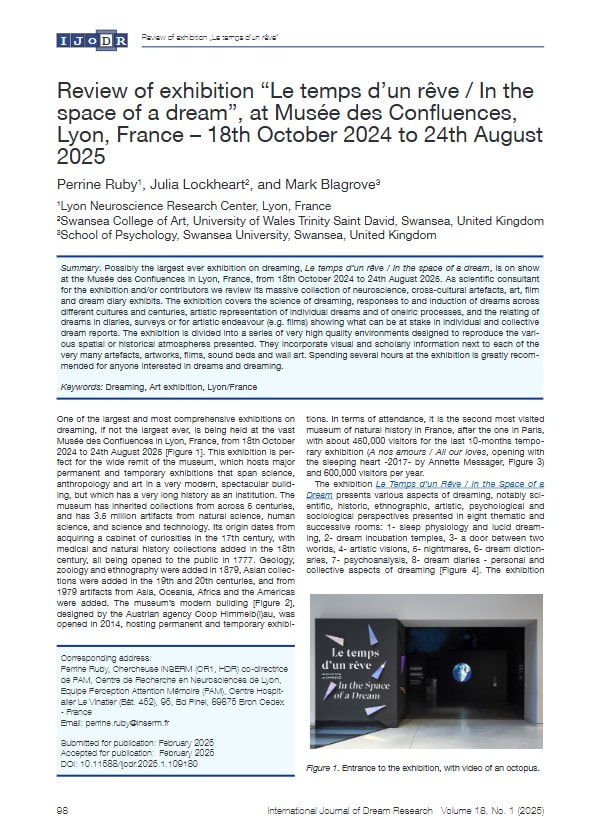 We are honoured to have three of our artworks in this massive exhibition on dreams. The exhibition covers the physiology of dreams, cross-cultural dreams, famous dream diaries, dreams in film and how dreams are studied. Details of the exhibition are here. 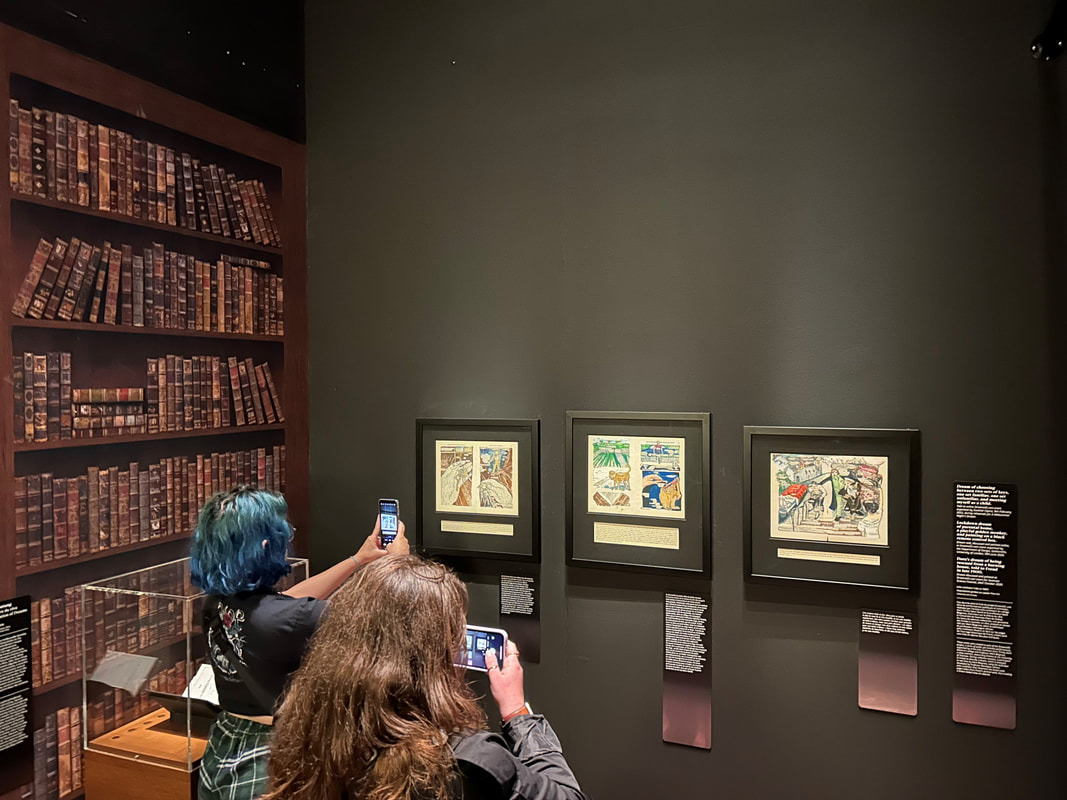 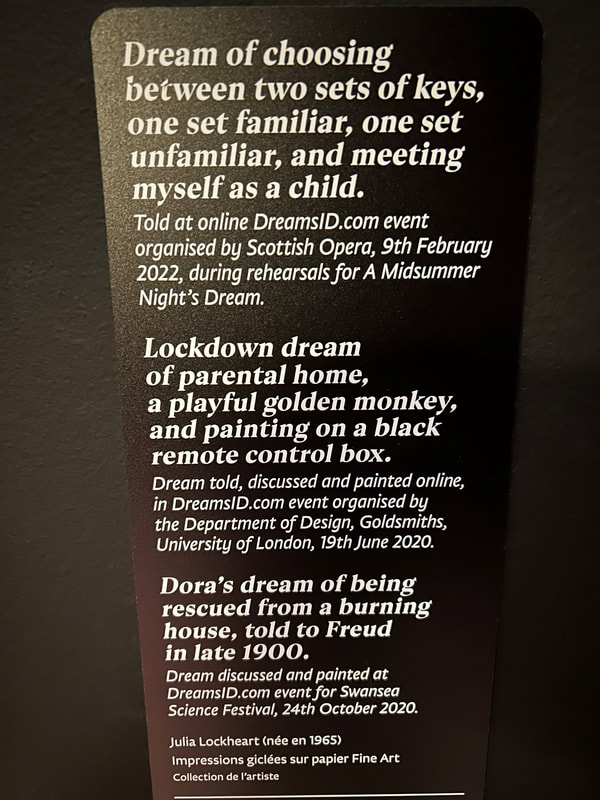 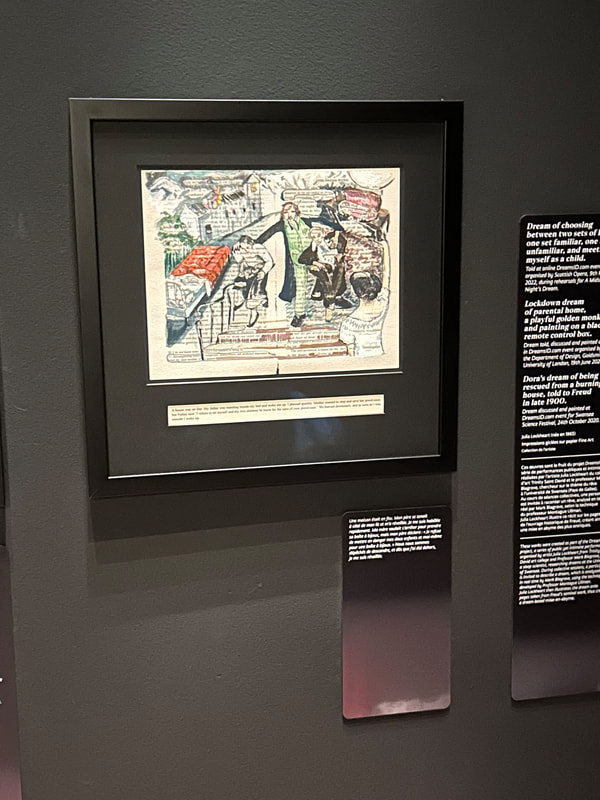 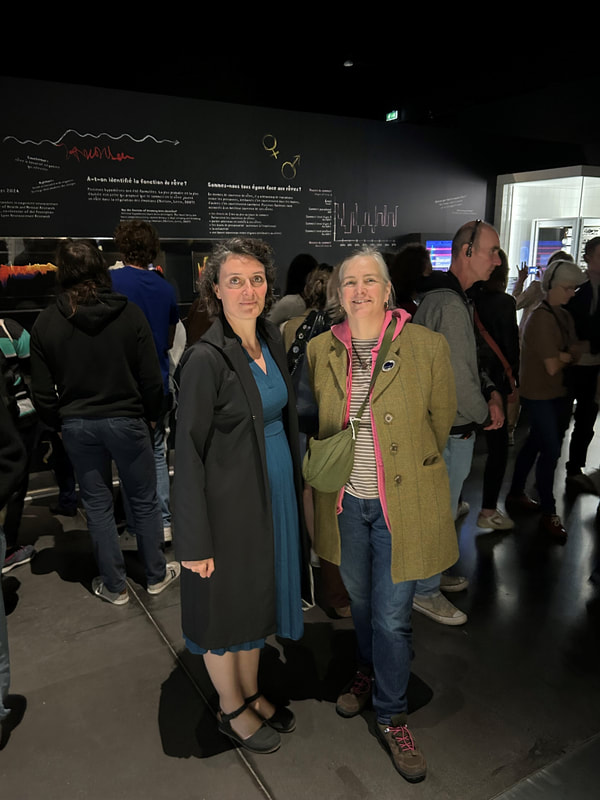 Scientific director and adviser to the exhibition, Perrine Ruby, of the Lyon Centre for Research in Neuroscience, with Julia Lockheart   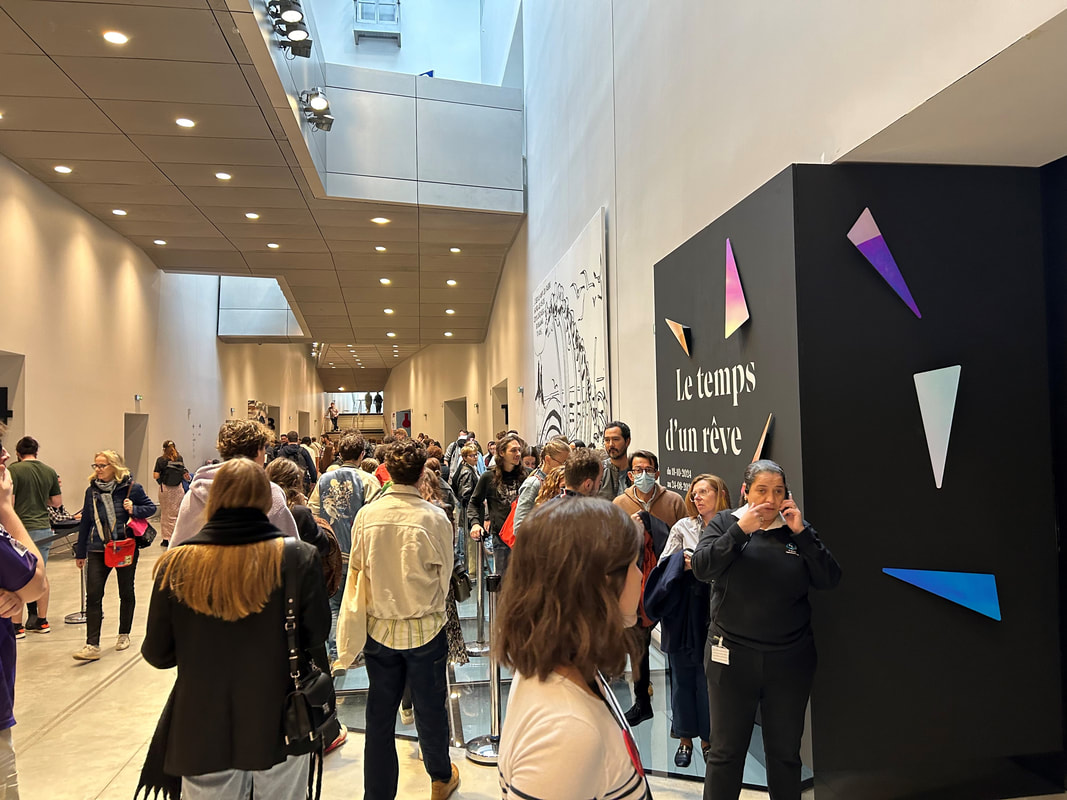 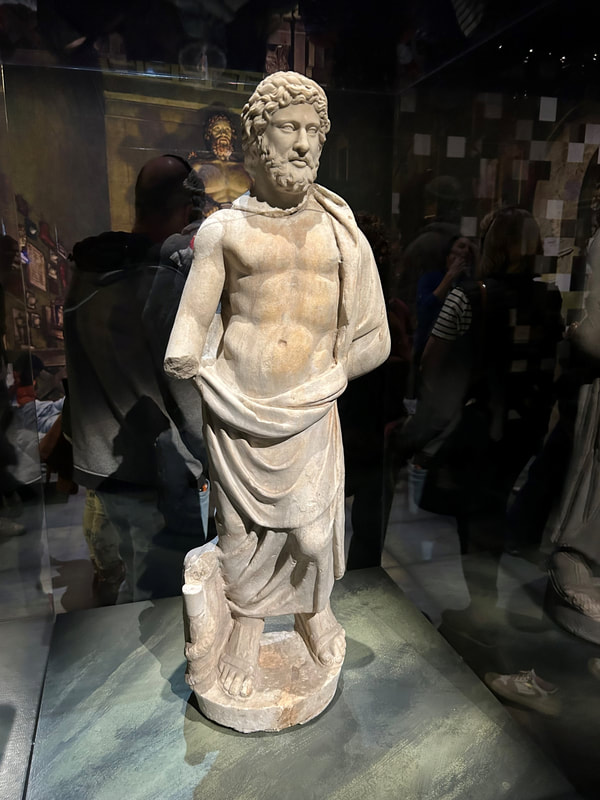  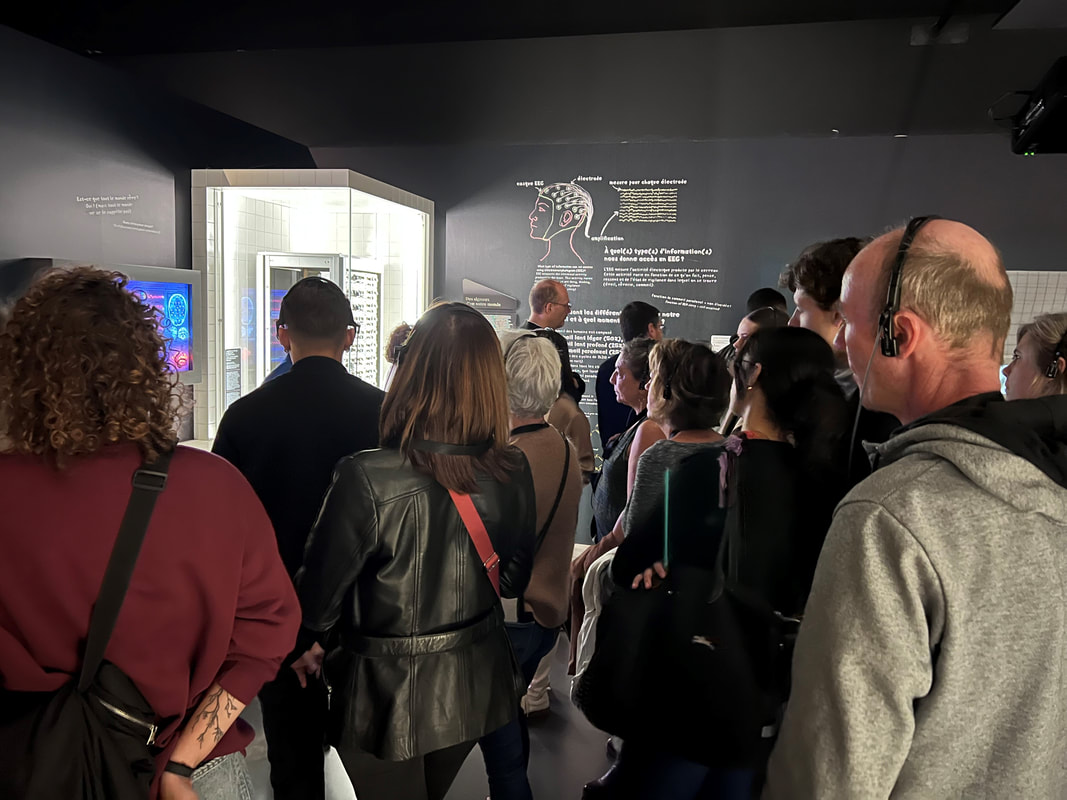 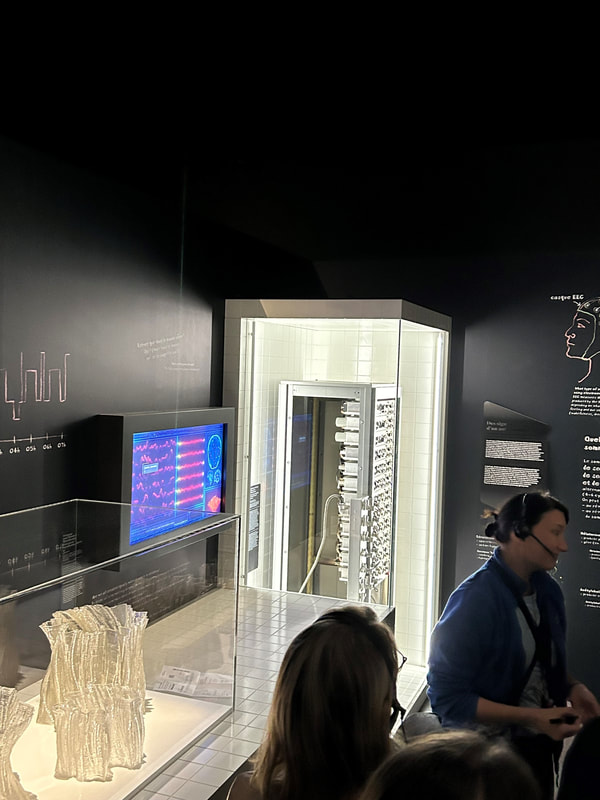 The original EEG machine from the laboratory of Michel Jouvet, one of the founders of sleep research, who worked at the University of Lyon 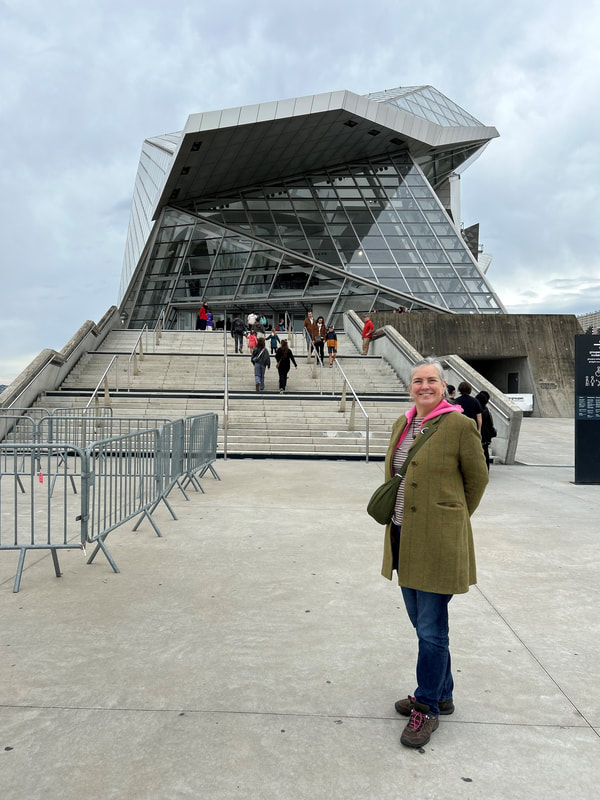 Julia Lockheart at the Musée des Confluences 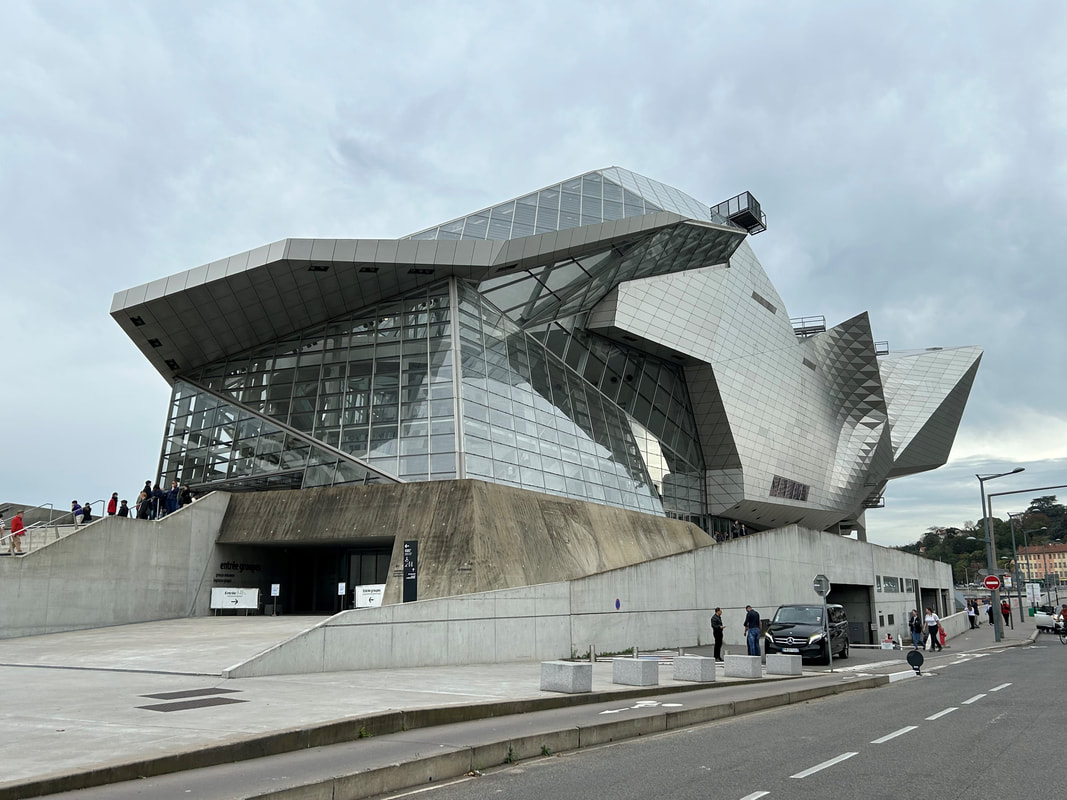 The Musée des Confluences As part of commemorations for the centenary of the founding of Surrealism, Julia Lockheart's painting of a dream that André Breton had in 1924 was chosen for exhibition at the art gallery of the American University of Paris. The exhibition and accompanying conference were organised by the International Society for the Study of Surrealism.    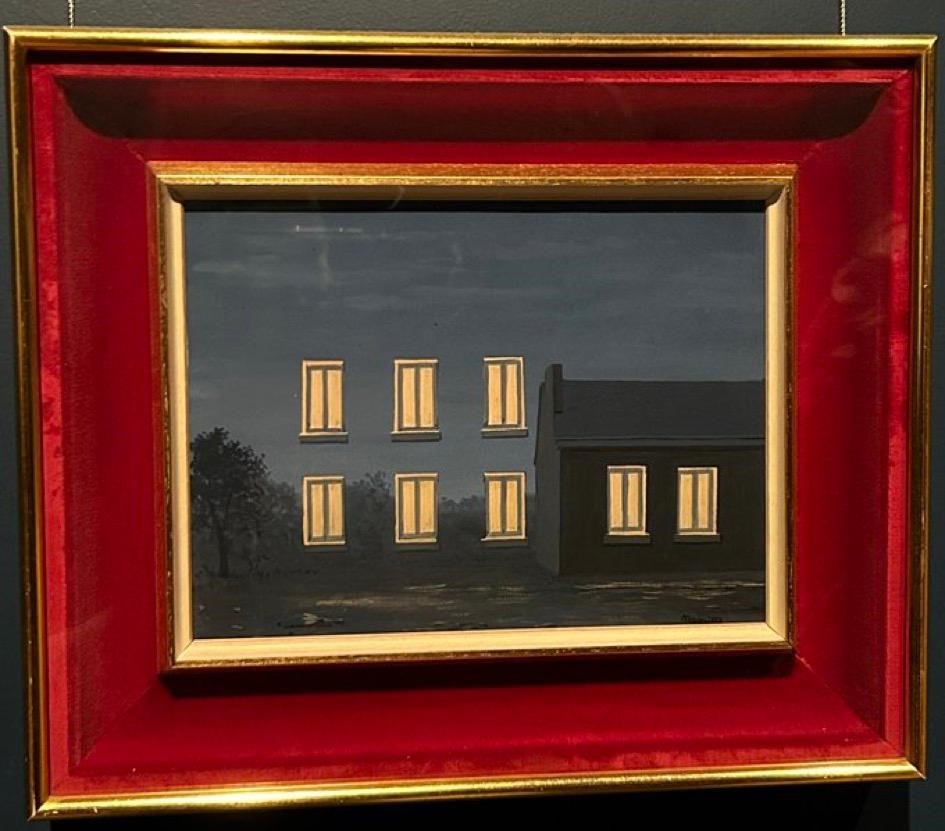 On the way home from the annual conference of the International Association for the Study of Dreams, held in The Netherlands in June 2024, we called in to the Magritte Museum in Brussels. Highlight there was Magritte's L'État de veille/De waaktoestand/The Waking State (1958). From a private collection, it was enthralling, with the lit windows on the left having nothing behind them, like consciousness with no content or memory. We can’t find this painting online or in any publication, although similar ones were made by Magritte in 1958. Magritte's inspiration for this series of paintings is described at www.christies.com/en/lot/lot-6127856. 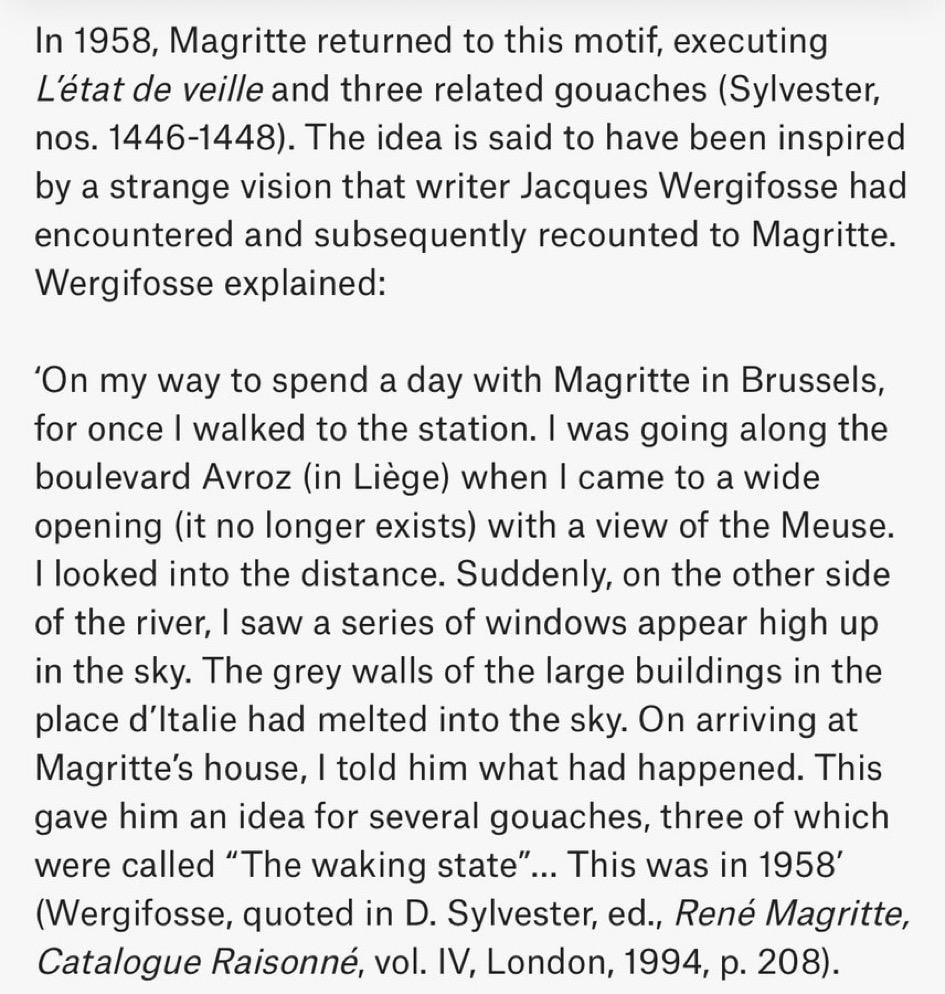 The windows appeared at first to be collage, but are instead painted with perfect perspective as trompe l'oeil. |
Identifier-Designer-Artist
ID Artist and dream illustrator: Ida ID Archives
September 2026
Categories |
 RSS Feed