|
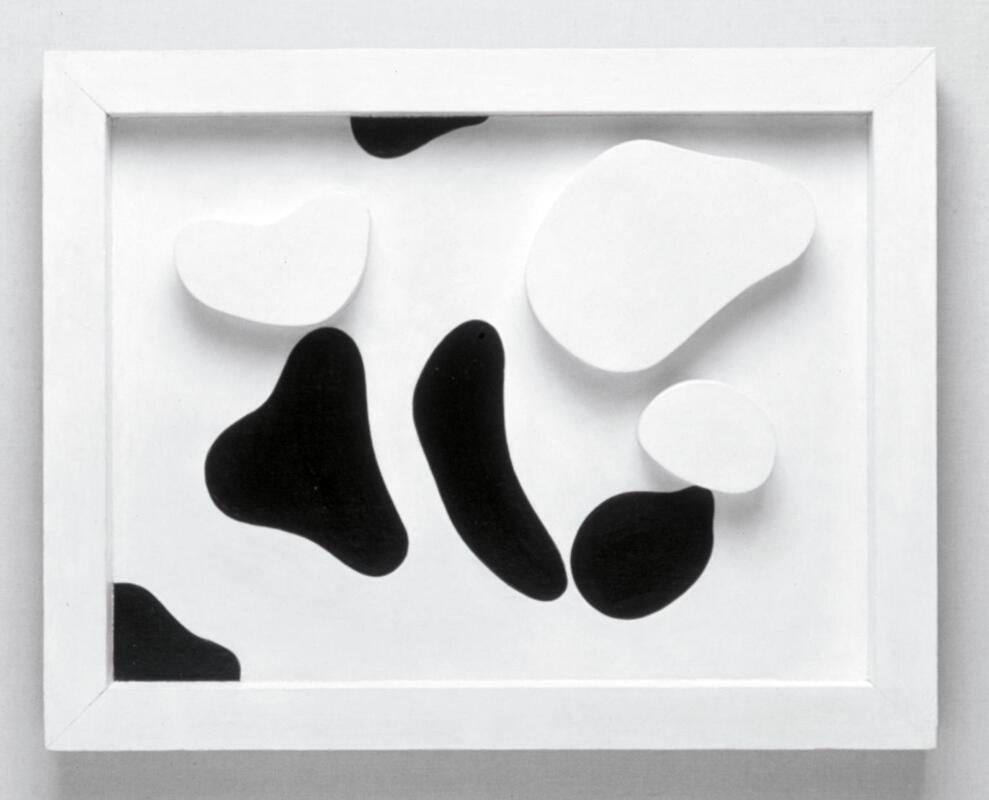
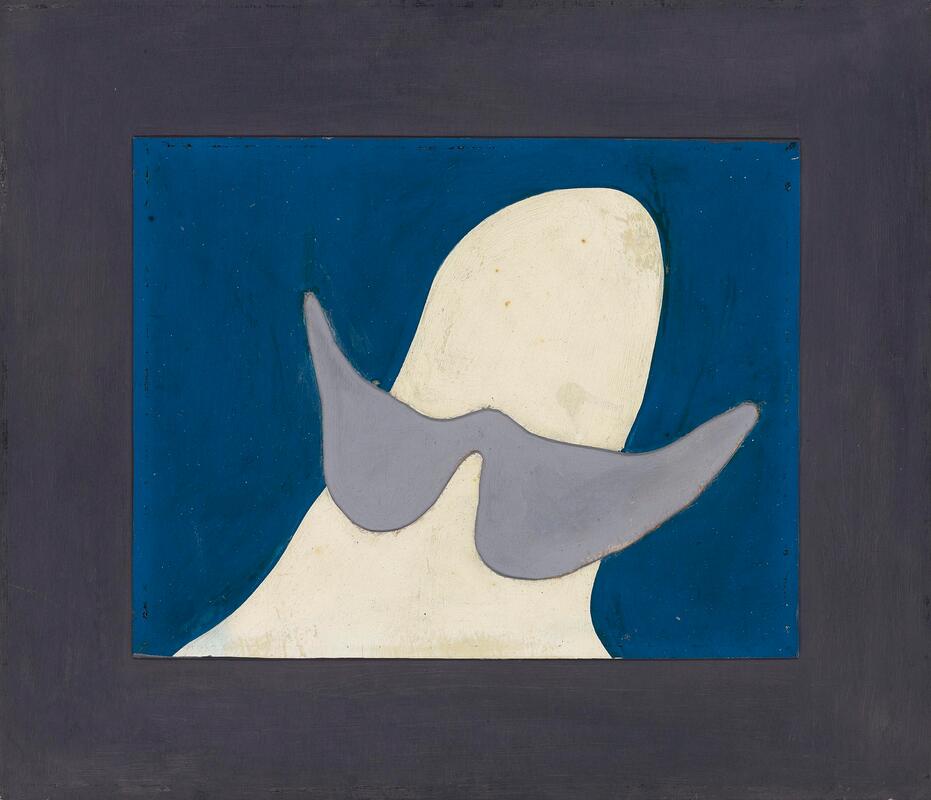
Jung, Dada, and the Discussion and Painting of Dreams Julia Lockheart 1 , Mark Blagrove 2, Mayara Ribeiro Guimarães 3, Sofia Guimaraes von Ridder and Art Funkhouser 4 1 Swansea College of Art, University of Wales Trinity Saint David, UK 2 School of Psychology, Swansea University, UK 3 Institute of Languages and Communication, Federal University of Pará, Belém, Brazil 4 C.G.Jung Institute, Küsnacht, Zurich, Switzerland In 1916, artists, poets and other literary creatives came to Zurich and to the Cabaret Voltaire where they created Dadaism, which prioritised irrationality and bizarre creativity in art, performance, poetry and literature. Also in Zurich at that time, Jung was developing analytical psychology. At first glance Jung and Dada have little in common. Lier (2023, p.21) writes that ‘Jung and Dada do not go together’ and Zuch (2005) reports that Jung condemned Dadaism as ‘folly and tasteless’. However, looking back at this historical period, Zuch (2005) argues that Jung and Dadaism did have similarities, given Jung’s interest in dreaming, art and mythology, as well as parapsychology and the occult, which also were influences on Dada. There are similarities between Jung and Dada in terms of their downplaying of egoism and rationality, and their recognition of the importance of unconscious processes, of art, synchronistic chance occurrences, and dreaming. We discuss these similarities, and refer to the artist and sculptor Hans Arp, whose work was partly mystical, religious, and based on nature. For Arp and Jung, dreams can help us balance and readjust, and overcome egoism. Arp wrote ‘Dreams and art are a magical treasure; they connect people with the life of light and darkness, with real life, with real spiritual collectivity.’ (Zuch, p.236.) In his chapter on The Aims of Psychotherapy, Jung (1933) wrote that as his patients might be dependent on his ideas of the dream, he urged some patients to paint their dreams. Many of the artworks that Jung had suggested that his patients paint are held in the C.G. Jung Institute Picture Archive. Lier (2023) describes how the earliest paintings, a series from one woman patient from 1917 to 1919, include snakes, mandalas, stylised figures, and masks. These were made at the same time as the Dada movement was occurring, and have many similarities with Dadaist work, especially the masks and stylised figures. Given this overlap between Dadaism and Jung, in the summer of 2023, Julia Lockheart and Mark Blagrove held two Dream Salons in Zurich: the first event was at the C.G. Jung Institute and the second at Cabaret Voltaire. This presentation will describe the two events, the two dreams, and the paintings of the two dreams, made live during the events. The Dream Salon events, in accord with Jungian and Dadaist thinking, aimed to balance conscious deliberation and unconscious knowledge and creativity, and to demonstrate the importance of dreams and paintings of dreams to the dreamer and to those with whom they share the dream. References Jung, C.G. (1933) Modern man in search of a soul. Reprint, Abingdon: Routledge, 2001. Lier, D. (2023) ‘From non-sense to primordial sense: Echoes of Dada in the picture archive’, in R. Ammann, V. Kast, & I. Riedel (eds.) Treasure from the archive, C.G. Jung Institute Zürich – Küsnacht, Images created by patients in analysis 1917-1955. (Translation by C. Nielsen & S.P. d’Or.) (Originally published in German in 2018.) Oberlin, OH: Analytical Psychology Press, pp.15-31. Zuch, R. (2005) Die Surrealisten und C. G. Jung: Studien zur Rezeption der analytischen Psychologie im Surrealismus am Beispiel von Max Ernst, Victor Brauner und Hans Arp. VDG: Weimar. Examples of the work of Hans Arp are below: Constellation According to the Laws of Chance, 1930, and Head with Mustache, 1926.
0 Comments
Lockheart, J. (2024). Painting and socializing COVID-19 dreams. International Journal of Surrealism, 1(2), 87-108. https://muse.jhu.edu/pub/23/article/922369  |
Identifier-Designer-Artist
ID Artist and dream illustrator: Ida ID Archives
September 2026
Categories |
 RSS Feed